If you’ve noticed your car insurance bill climbing lately, you’re not alone. Across California, millions of drivers are seeing sharp premium increases—sometimes by hundreds of dollars per year. These hikes come as households are already grappling with higher fuel, grocery, and housing costs, making driving more expensive than ever.
In a recent ABC10 (KXTV) segment, insurance expert Karl Susman, president of the Susman Insurance Agency, explained why auto insurance costs are surging and what drivers can do to manage the impact. His insights point to a powerful mix of technology, inflation, and post-pandemic market correction reshaping California’s auto insurance market.
The Statewide Squeeze on California Drivers
California has more than 27 million licensed drivers, and nearly all are feeling the effects of rising premiums. Sacramento drivers told ABC10 their rates are climbing “like crazy,” and many who recently purchased new vehicles report that insurance costs today look nothing like they did just a few years ago.
Nationwide data underscores the trend. According to the U.S. Bureau of Labor Statistics, auto insurance costs rose more than 20% in 2023—one of the steepest single-year increases in decades. In California, where insurance rates were tightly regulated during the pandemic, many of those delayed increases are now hitting all at once.
Why Car Insurance Premiums Are Rising
Susman says today’s rate increases are not random. They’re being driven by three powerful forces: higher repair costs, delayed pandemic pricing, and rising accident frequency.
Modern Cars Cost Far More to Repair
“Every accident costs thousands of dollars now,” Susman explained. Even what used to be minor collisions can result in major claims.
Modern vehicles are packed with advanced technology—rear cameras, adaptive cruise control, parking sensors, and collision-avoidance systems. Damage that once required simple body work now often demands specialized parts, recalibration, and highly trained technicians.
A bumper repair that might have cost a few hundred dollars years ago can now run into the thousands. Ongoing global parts shortages only worsen the problem, increasing both the cost and delay of repairs. For insurers, that means higher claim payouts across the board.
The Pandemic Created a Pricing Boomerang Effect
During the height of COVID-19, the California Department of Insurance effectively froze premium increases to ease financial pressure on consumers. At the same time, inflation, labor shortages, and parts shortages were quietly driving up claim costs behind the scenes.
“Everything was getting more expensive, but premiums stayed the same,” Susman said. “Now they’re coming back.”
This delayed correction is what Susman calls a “boomerang effect.” Insurers are now seeking large, abrupt increases to make up for years of suppressed rates while their costs steadily climbed.
Accident Frequency Is Surging
Another key factor is the sharp rise in accident frequency since the pandemic.
“Frequency is way up,” Susman said. “No idea why.”
Experts suspect a combination of factors, including more aggressive driving habits, distracted driving, and higher speeds that became common during lockdown periods. Whatever the cause, more crashes mean more claims—and higher premiums for everyone.
What California Drivers Can Do to Lower Their Costs
While drivers can’t control inflation or regulatory policy, Susman outlined several practical ways to reduce the impact of higher premiums.
Drive Safely and Protect Your Record
Under California’s Proposition 103, insurers base pricing primarily on three factors:
- Driving safety record
- Annual mileage
- Years of driving experience
Even one at-fault accident or speeding ticket can dramatically raise your rates. With accident frequency already high, maintaining a clean record is more important than ever.
Avoid Filing Small Claims When Possible
Insurance is designed to protect against major losses—not every minor repair.
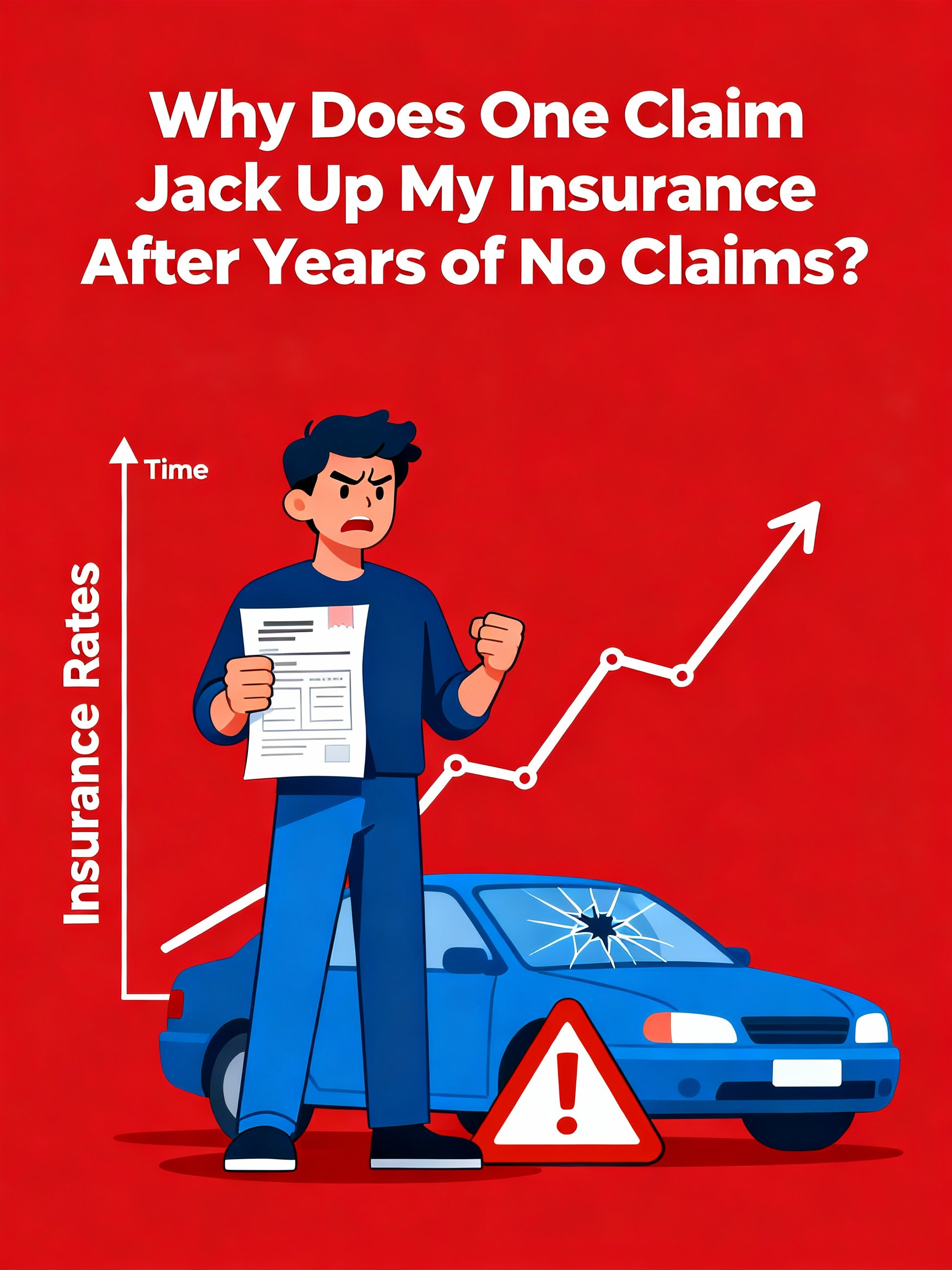
“Don’t put in a claim that you can afford to pay,” Susman advised. Small claims often lead to premium increases that end up costing more over time than paying for the repair yourself.
Consider Raising Your Deductible Strategically
Increasing your deductible can significantly reduce your premium. For example, moving from a $500 to a $1,000 deductible can lower annual costs by 10–20%, depending on the insurer.
However, Susman cautioned against going without coverage entirely. Driving uninsured exposes you to enormous legal and financial risk that far outweighs any short-term savings.
Keep Your Policy Active and Avoid Lapses
With the market in transition, consistency matters.
“We’re in a transition period,” Susman said. “Hold on to the policies you have, put them on auto-pay, don’t let them lapse, and stand by—hopefully, things will get better.”
Coverage gaps can reset your insurance history and often result in higher rates when you try to reapply.
The Broader Industry Turbulence
What’s happening in auto insurance mirrors California’s homeowners insurance crisis. In both markets, insurers are struggling with rising losses, inflation, and regulatory lag.
Major carriers such as State Farm, Geico, and Allstate have implemented or requested double-digit auto insurance rate increases. Geico’s average increase in California has been about 13%, while Allstate’s has reached as high as 30% in some areas.
At the same time, many insurers have tightened underwriting standards, becoming more selective about whom they insure. Clean driving records and consistent payment history now matter more than ever.
Electric Vehicles and the Hidden Cost of Advanced Technology
Electric vehicles are adding another layer to the cost equation. Reuters recently reported that Hertz is selling off 20,000 EVs from its U.S. fleet due largely to high repair costs.
High-voltage batteries, proprietary components, and specialized labor make EV repairs significantly more expensive than gas-powered vehicles. As more EVs enter California’s roads, insurers are factoring these higher risks into pricing models.
What to Expect Next for California Drivers
Experts expect 2024 to be a transition year. Rates will likely continue rising through the middle of the year as insurers adjust to inflation and recalculate risk. Some stabilization may occur by late 2024 or early 2025 as claim trends normalize and market competition rebalances.
Susman remains cautiously optimistic. He notes that the insurance industry has always adapted to economic changes, even when the adjustment period is painful.
The Bottom Line for California Motorists
California’s rising car insurance rates reflect a long-delayed market correction fueled by higher repair costs, increased accident frequency, advanced vehicle technology, and years of regulated pricing.
For now, drivers should focus on the elements they can control: driving safely, managing deductibles wisely, avoiding unnecessary claims, and keeping coverage active without lapses.
Auto insurance markets are cyclical. While the current road is bumpy, history suggests balance will eventually return. Until then, informed decisions and disciplined driving remain your best defense against rising costs.